How Often Should You Pressure Wash Your House? Sevierville Guide

Samson Ferrell
Owner, Total Cabin and Home Maintenance
What Pressure Washing Frequency Really Means for Sevierville Homeowners
How often should you pressure wash your house is one of the most common questions we get, and the honest answer is: most homes in this region need it once a year, though humidity, tree cover, and sun exposure can push that to twice. Homes tucked into wooded lots near Gatlinburg or Pigeon Forge often need it more than homes out in open, sunnier stretches near Sevierville.
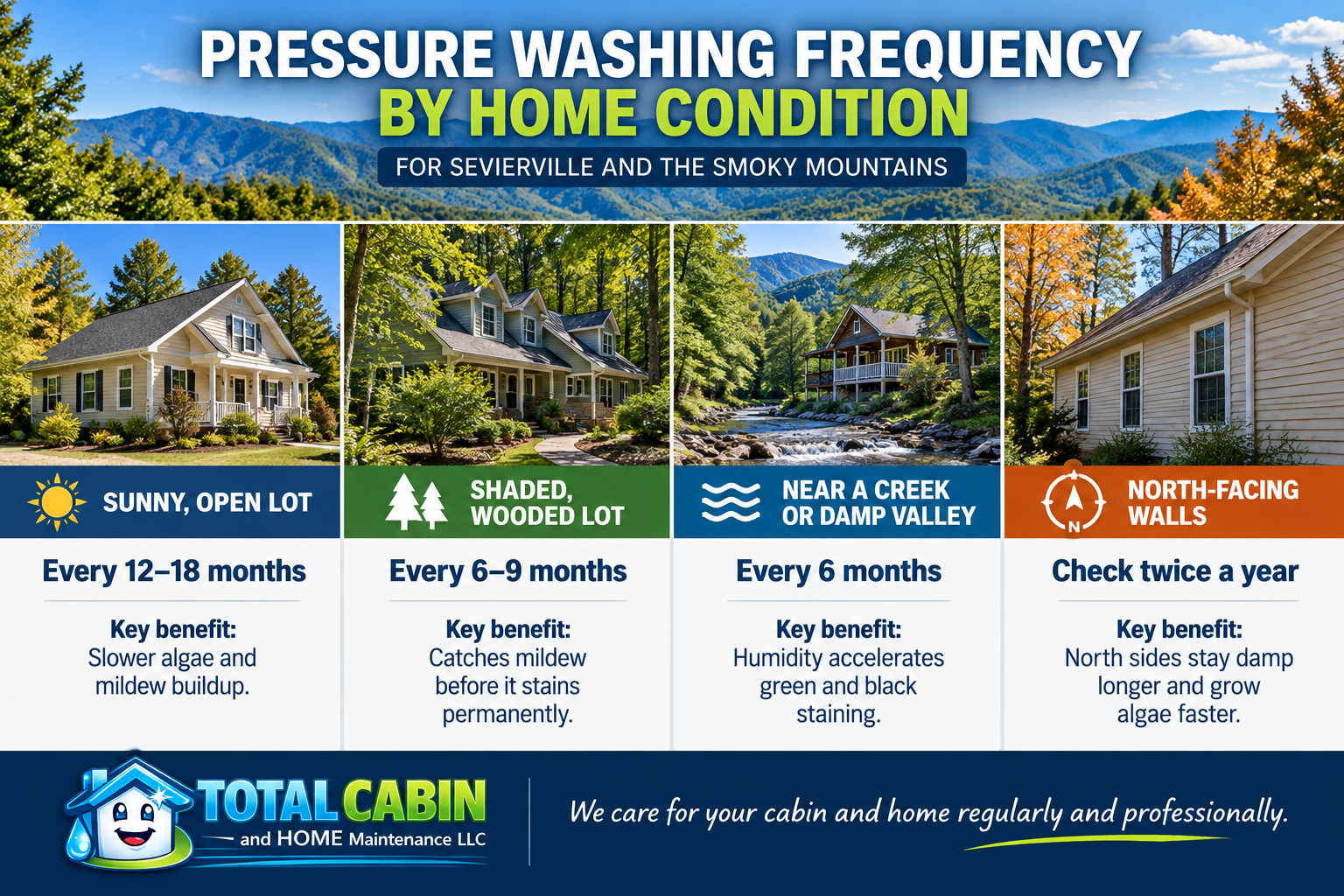
Quick Reference: Pressure Washing Frequency by Home Type
- Sunny, open lot: Once every 12–18 months. Key benefit: slower algae and mildew buildup.
- Shaded, wooded lot: Once every 6–9 months. Key benefit: catches mildew before it stains permanently.
- North-facing walls: Check twice a year. Key benefit: north sides stay damp longer and grow algae faster.
- Homes near a creek or damp valley: Every 6 months. Key benefit: humidity accelerates green and black staining.
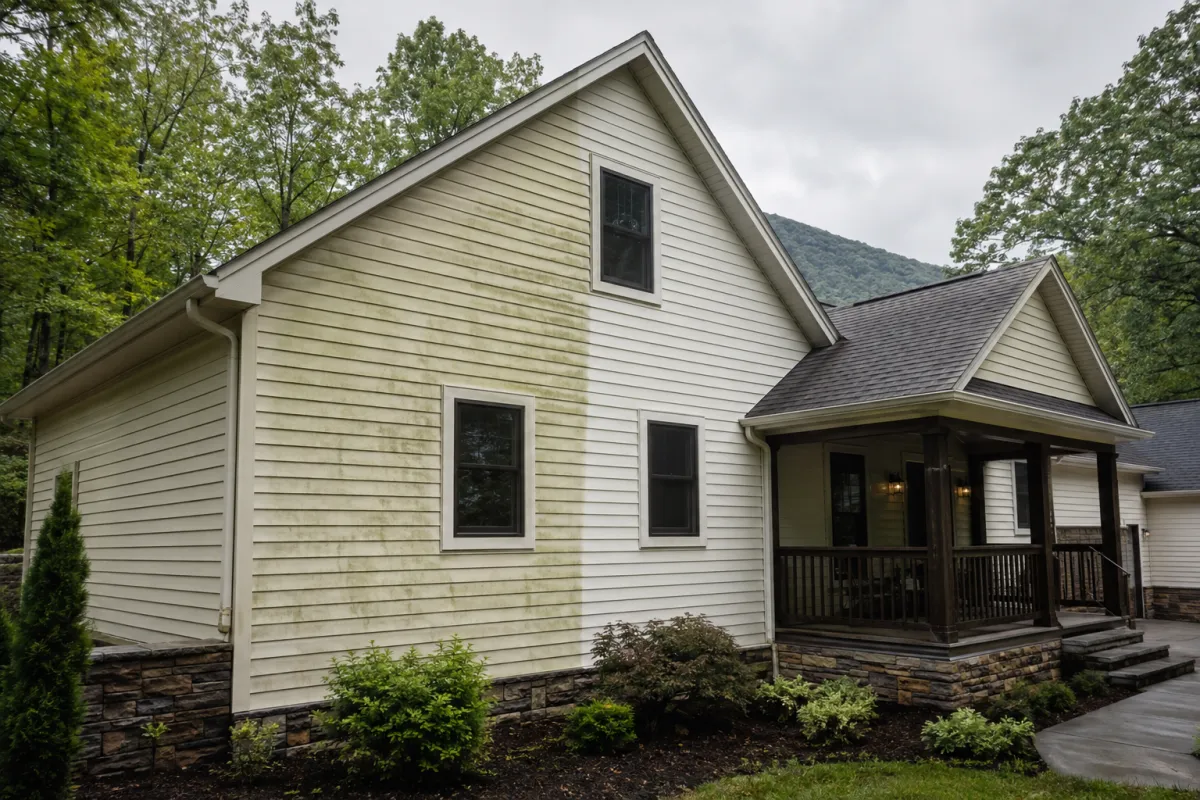
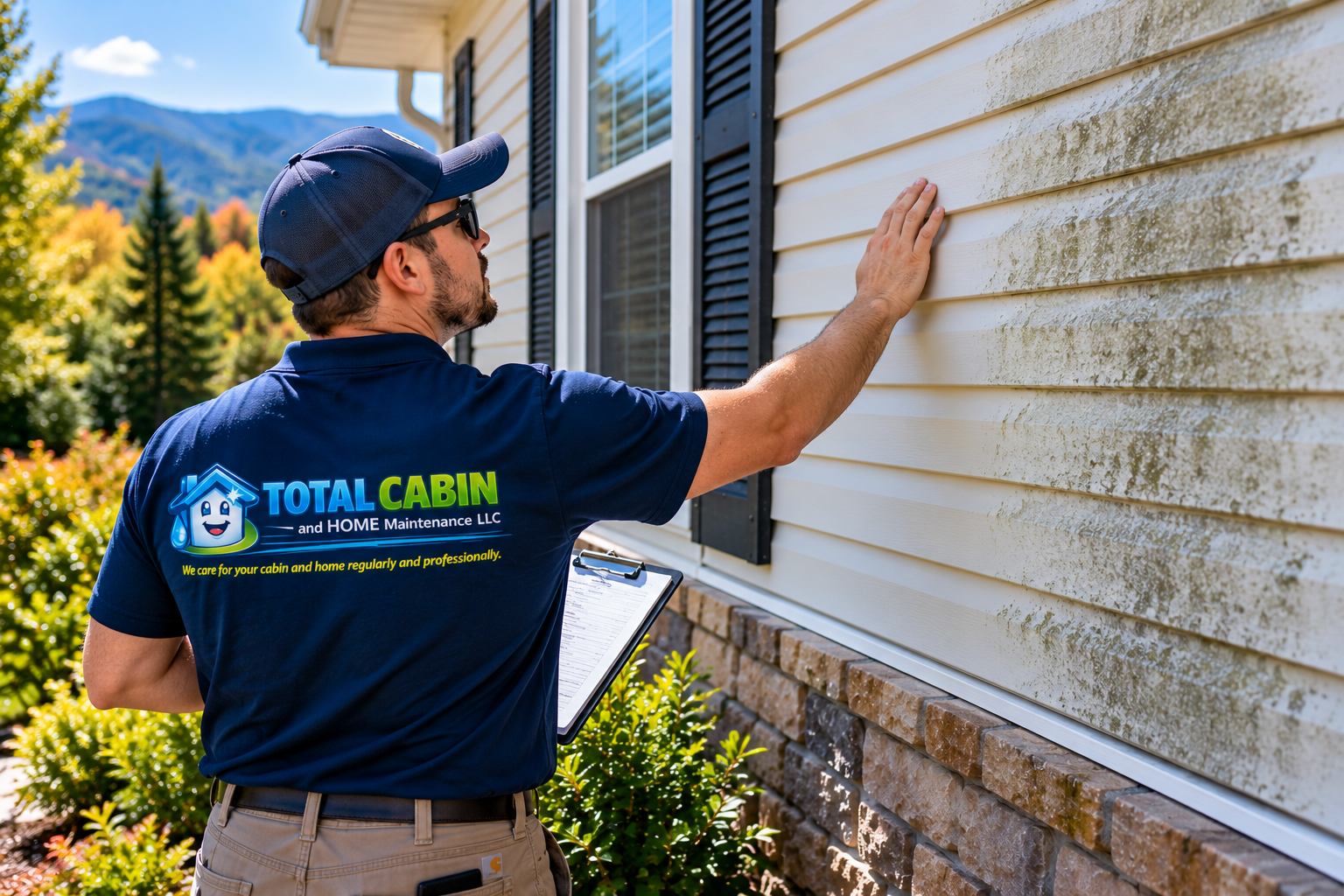
Skipping pressure washing for too long doesn't just mean a dirtier-looking house. Algae, mildew, and pollen buildup can eat into paint and siding over time, and mildew can begin discoloring vinyl siding in as little as 60–90 days in humid, shaded conditions like we get throughout the Smoky Mountain region.
I'm Samson Ferrell, owner of Total Cabin and Home Maintenance, and I've washed enough homes across Sevierville and the surrounding towns to know exactly what "overdue" looks like before a homeowner even mentions it. In this guide, I'll walk you through exactly what you need to know about how often should you pressure wash your house so you're never caught off guard by black streaks or a green roofline.
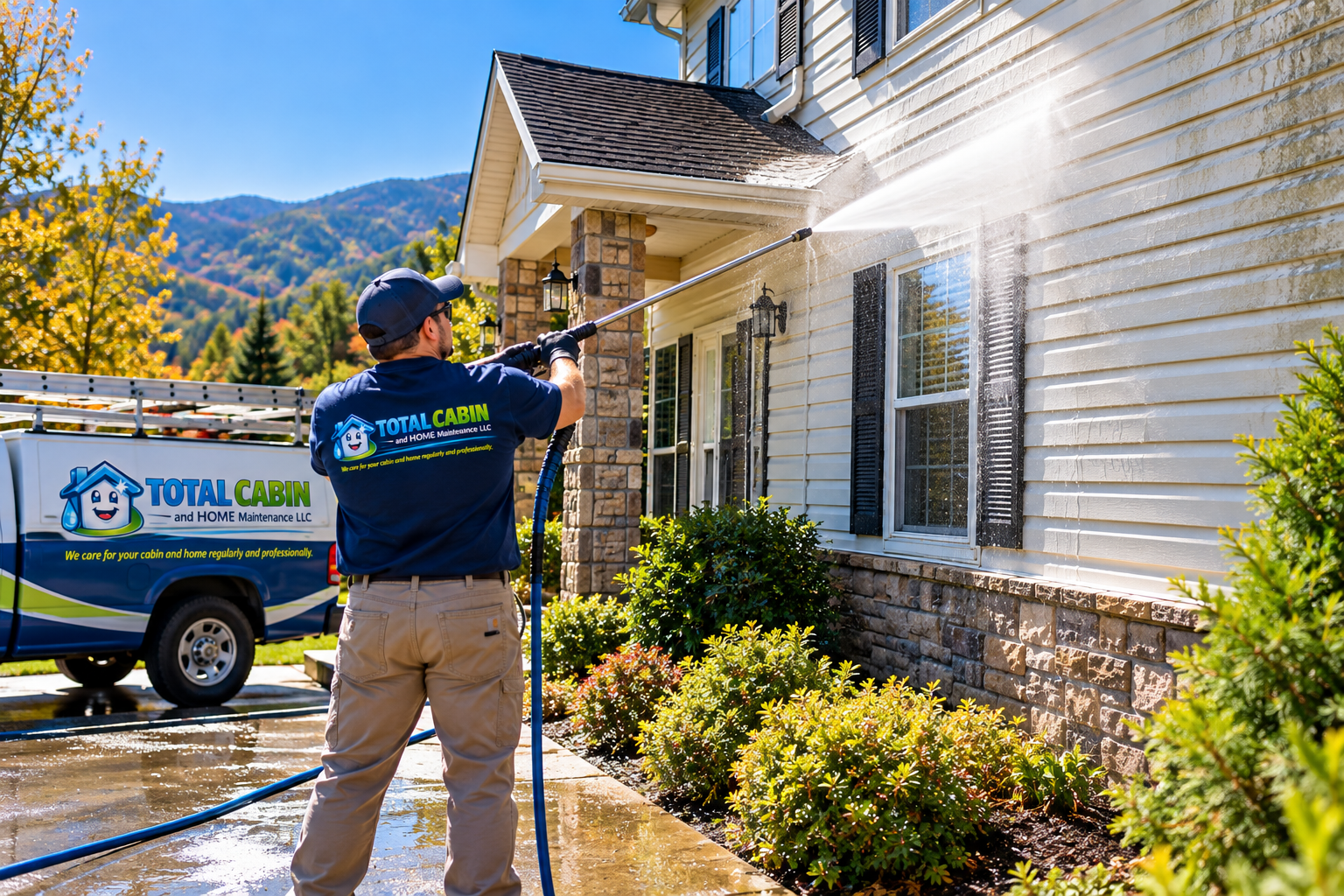
Why Pressure Washing Frequency Matters in the Smoky Mountains
Sevierville and the surrounding Smoky Mountain region see more humidity and tree cover than most parts of Tennessee, which is exactly the combination that speeds up algae and mildew growth on siding, brick, and concrete. Add in pollen season each spring and heavy leaf-drop each fall, and homes here accumulate grime faster than homes in drier, more open parts of the state.
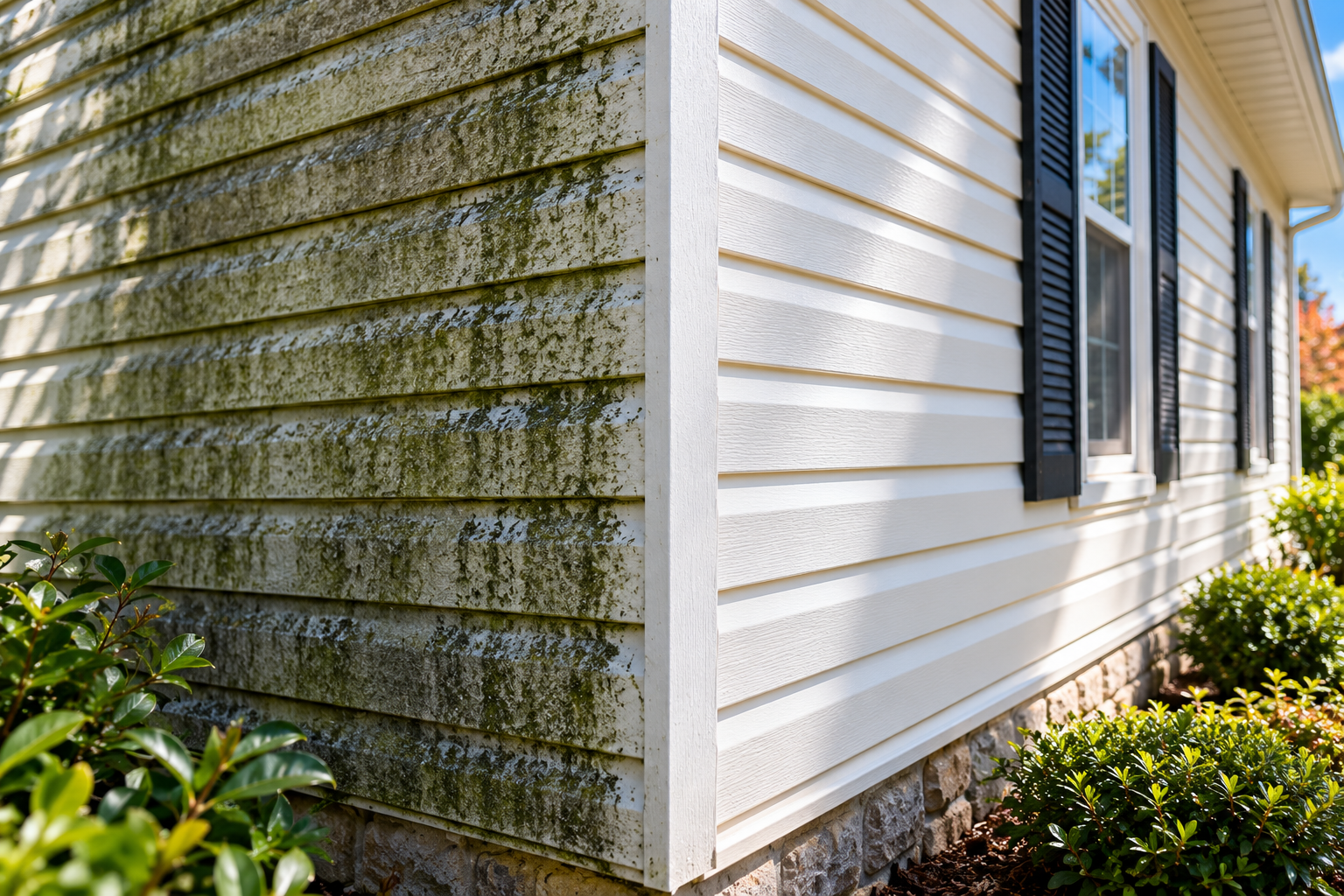
The type of siding matters too. Vinyl siding tends to show green and black streaking faster than brick or fiber cement, especially on north-facing walls that stay shaded and damp most of the day. Homes with heavy tree cover can see visible algae growth in under 4 months, compared to 8–12 months for homes with more direct sun exposure. Waiting too long doesn't just look bad; it can also void certain siding warranties that require regular cleaning as a maintenance condition.
There's also a cost angle worth mentioning: pressure washing every 12 months typically costs less over time than letting buildup sit for 2–3 years, since deep-set algae stains and mildew that's worked into porous surfaces like stucco or unsealed concrete take longer, more aggressive cleaning to remove.
Signs You're Overdue for a House Wash
- Green or black streaking: Usually algae or mildew, most visible on north-facing walls and rooflines.
- Dull, chalky siding: A sign of pollen and dirt buildup dulling the original color.
- Slippery walkways or decks: Algae growth on hard surfaces is a slip hazard, not just cosmetic.
- Visible spots after light rain: Clean siding sheds water evenly; dirty siding shows uneven water spotting.
How to Time Pressure Washing in Sevierville
Choosing the Right Season
Fall is one of the better times to schedule pressure washing, since it clears off the summer's pollen and algae buildup before winter moisture sets in and gives everything a fresh start heading into the colder months. Spring is the other common window, right after pollen season winds down. Avoiding a wash right before a hard freeze is smart too, since water trapped in siding seams or brick mortar can freeze and cause minor cracking.
According to the EPA, mold and mildew growth accelerates in conditions above 60% relative humidity, which describes a large chunk of the calendar in East Tennessee. That's part of why homes here often need washing more frequently than the national average suggests.
Soft Wash vs. Traditional Pressure Wash
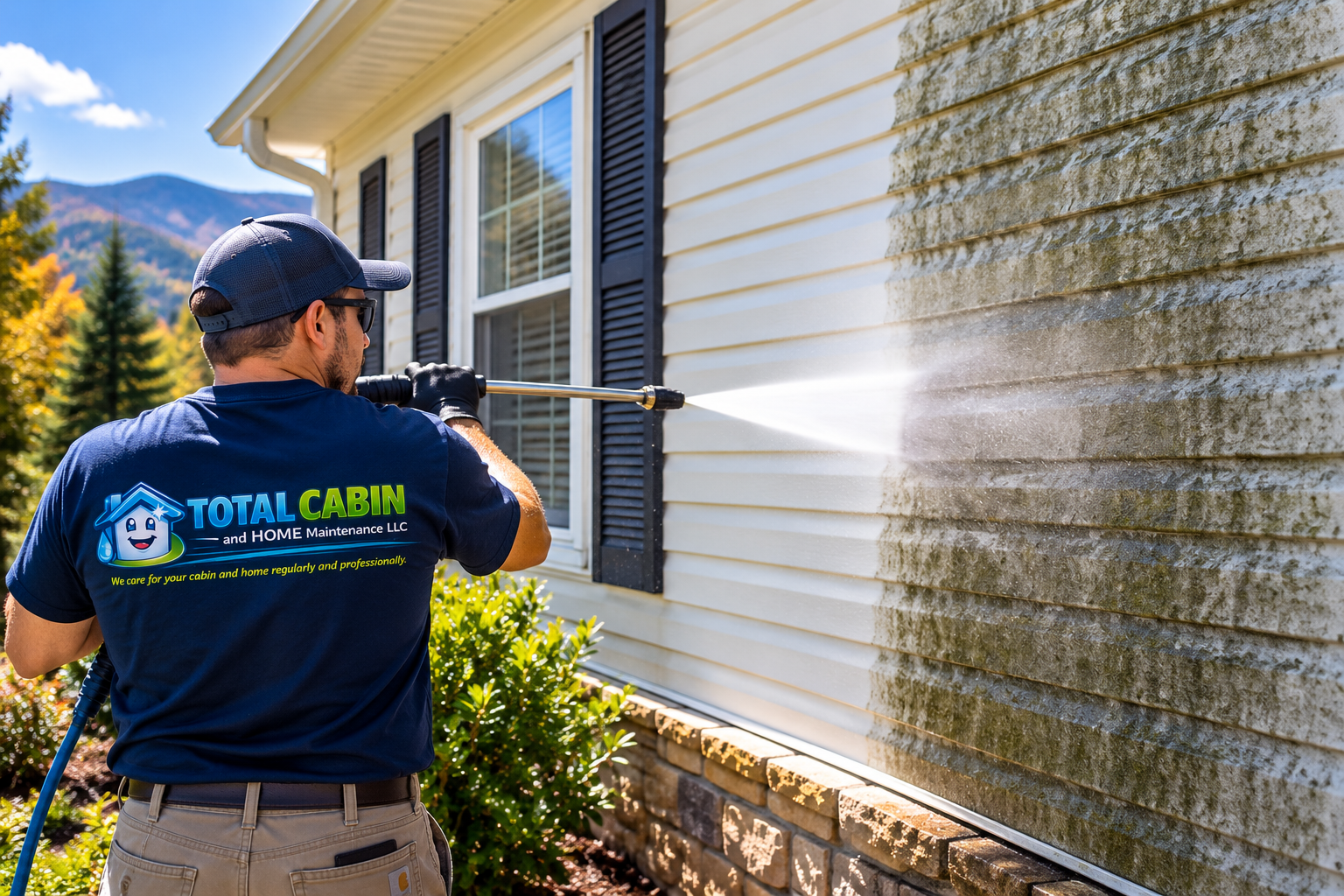
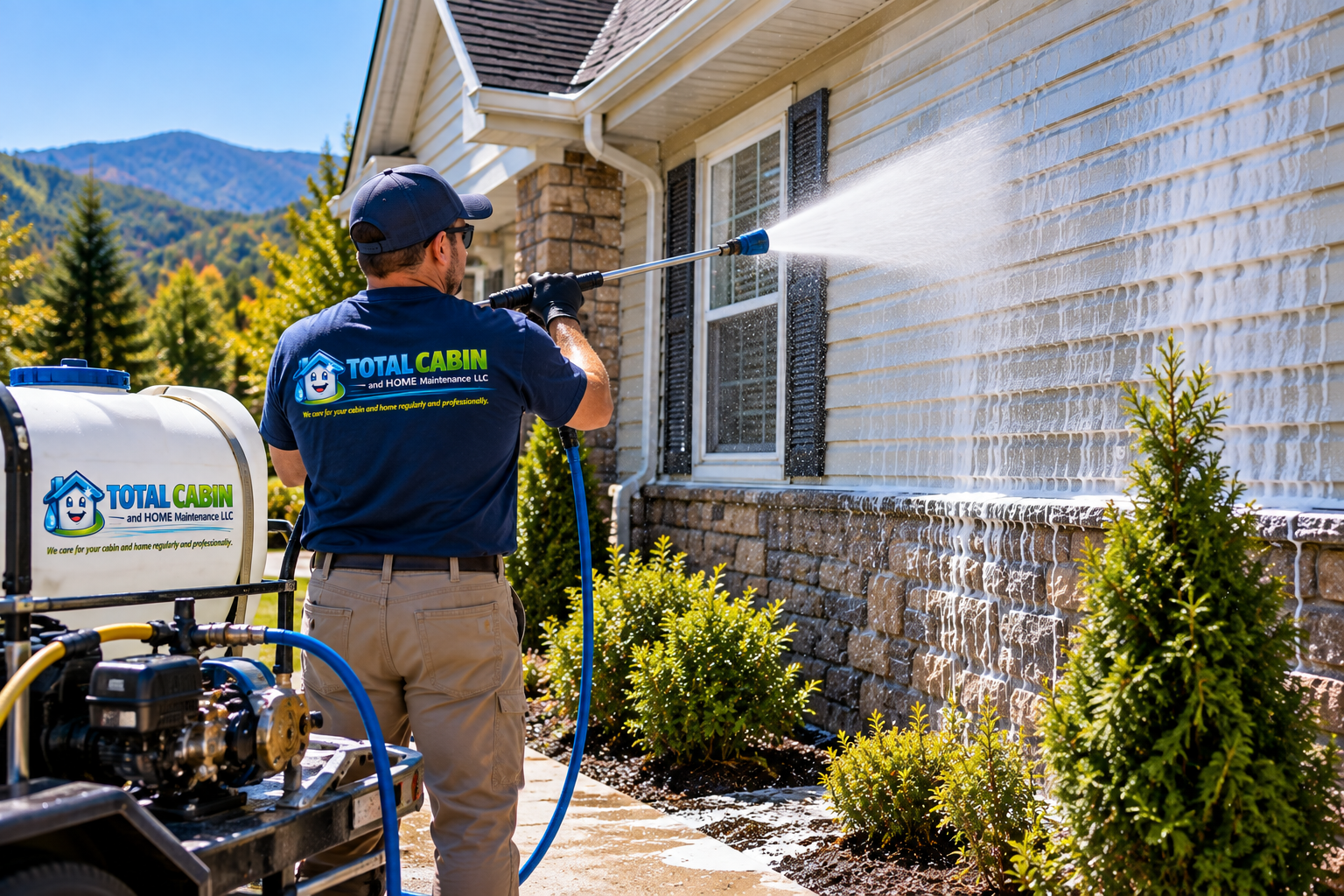
Not every surface should get the same treatment. Traditional high-pressure washing works well on concrete driveways, brick, and stone, but it can actually damage vinyl siding, painted wood, or older mortar if the pressure is too high. Soft washing uses lower pressure combined with a cleaning solution that kills algae and mildew at the root instead of just blasting it off the surface, which means it comes back slower.
Surface-by-Surface Cleaning Approach
- Vinyl siding: Soft wash with cleaning solution, low pressure to avoid damage.
- Concrete driveways and walkways: Higher pressure, safe for the durable surface.
- Brick and stone: Moderate pressure with attention to mortar joints.
- Wood decks and fencing: Low pressure with wood-safe cleaning solution to avoid splintering.
If your home hasn't been washed in over a year, it's worth having someone take a look before assuming a standard pressure wash is the right call. Our exterior cleaning team assesses surface type before choosing pressure level, which is exactly the kind of thing that protects your siding long-term.
Frequently Asked Questions about Pressure Washing Frequency
How often should you pressure wash your house in Tennessee?
Most homes in the Sevierville area need pressure washing once a year, though shaded or heavily wooded lots near Gatlinburg often need it every 6–9 months due to higher humidity and slower drying time.
Does pressure washing damage siding if done too often?
Traditional high-pressure washing done too frequently, or at too high a pressure setting, can strip paint or force water behind siding panels. That's why soft washing, which uses lower pressure with a cleaning solution, is usually the safer long-term choice for vinyl and painted surfaces.
What's the difference between pressure washing and soft washing?
Pressure washing uses high water pressure alone to blast away dirt, which works well on concrete and brick. Soft washing combines low pressure with a cleaning solution that kills algae and mildew at the root, making it the better option for vinyl siding, painted wood, and roofing.
Conclusion
How often should you pressure wash your house really comes down to how much shade, moisture, and tree cover your specific lot gets, and in the Smoky Mountain region, that usually means once a year at minimum. Waiting longer isn't just a cosmetic issue; it can mean tougher stains, slippery walkways, and even siding damage that costs more to fix than a routine wash would have.
At Total Cabin and Home Maintenance, we've built our business around exactly this kind of seasonal upkeep. If you'd rather not have to remember when it's time again, our quarterly maintenance plans handle the scheduling for you.
If it's been more than a year since your last wash, don't wait for the streaks to show. Request a quote and we'll get you back on schedule.
Samson Ferrell | Total Cabin and Home Maintenance
Tags & Topics
Samson Ferrell
Owner, Total Cabin and Home Maintenance
Samson Ferrell is the owner of Total Cabin and Home Maintenance, a home and cabin exterior maintenance company based in Sevierville, Tennessee. He and his crews handle window cleaning, pressure washing, house washing, dryer vent and HVAC duct cleaning for homeowners, cabin owners, and rental property managers throughout Sevier County and the greater Smoky Mountain region. He writes about the practical side of keeping a mountain property in good shape — what actually needs doing, how often, and what it costs.