How Often to Replace Your Air Filter: Smoky Mountains Guide

Samson Ferrell
Owner, Total Cabin and Home Maintenance
What "How Often to Replace Air Filter" Really Depends On
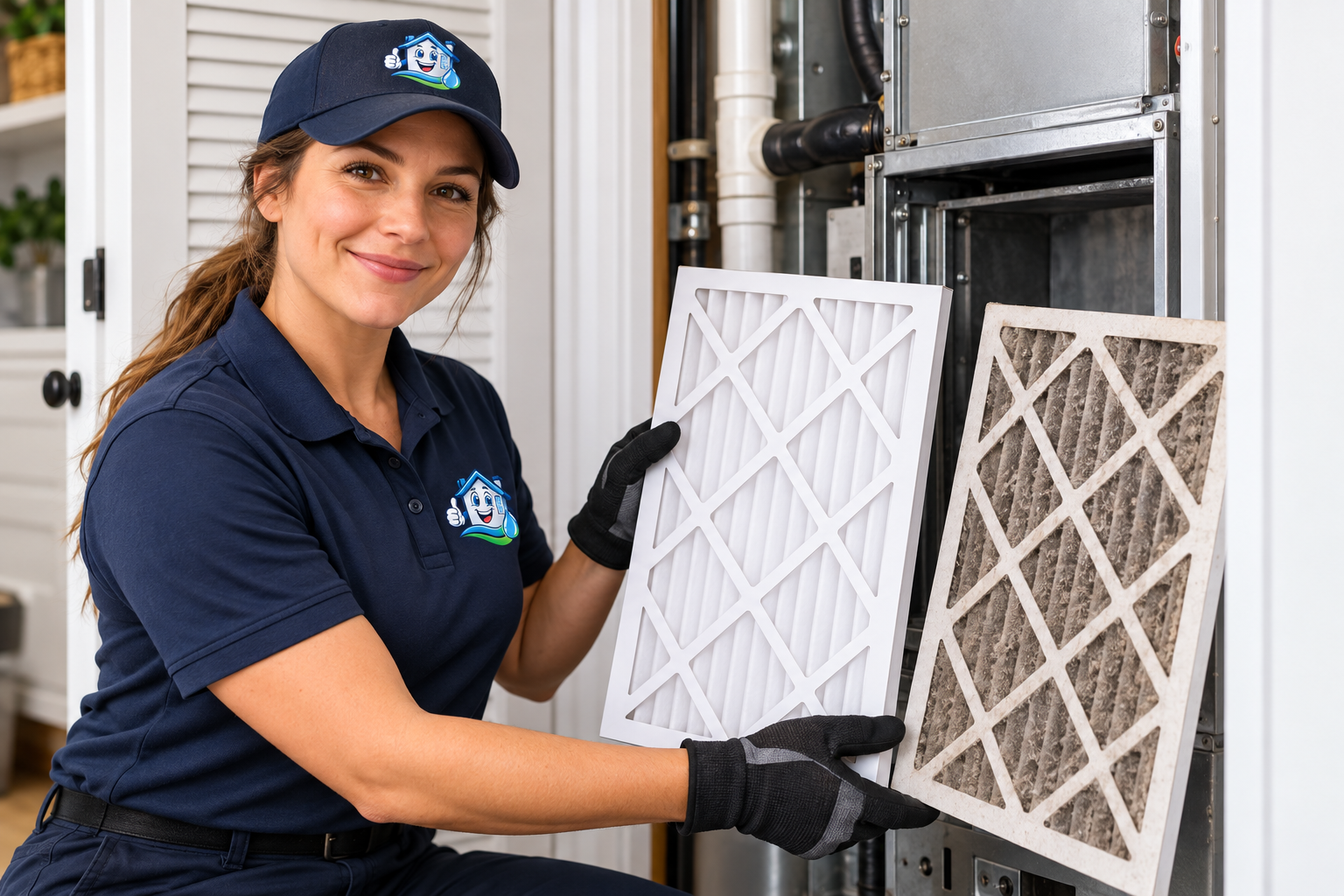
How often to replace air filter isn't a single fixed number, it depends on your filter type, whether you have pets, how many people live in the home, and the air quality conditions specific to your area. The generic "every 90 days" advice printed on most filter boxes is a reasonable starting point, but it's often wrong for households with pets, allergy sufferers, or homes near heavier seasonal pollen.
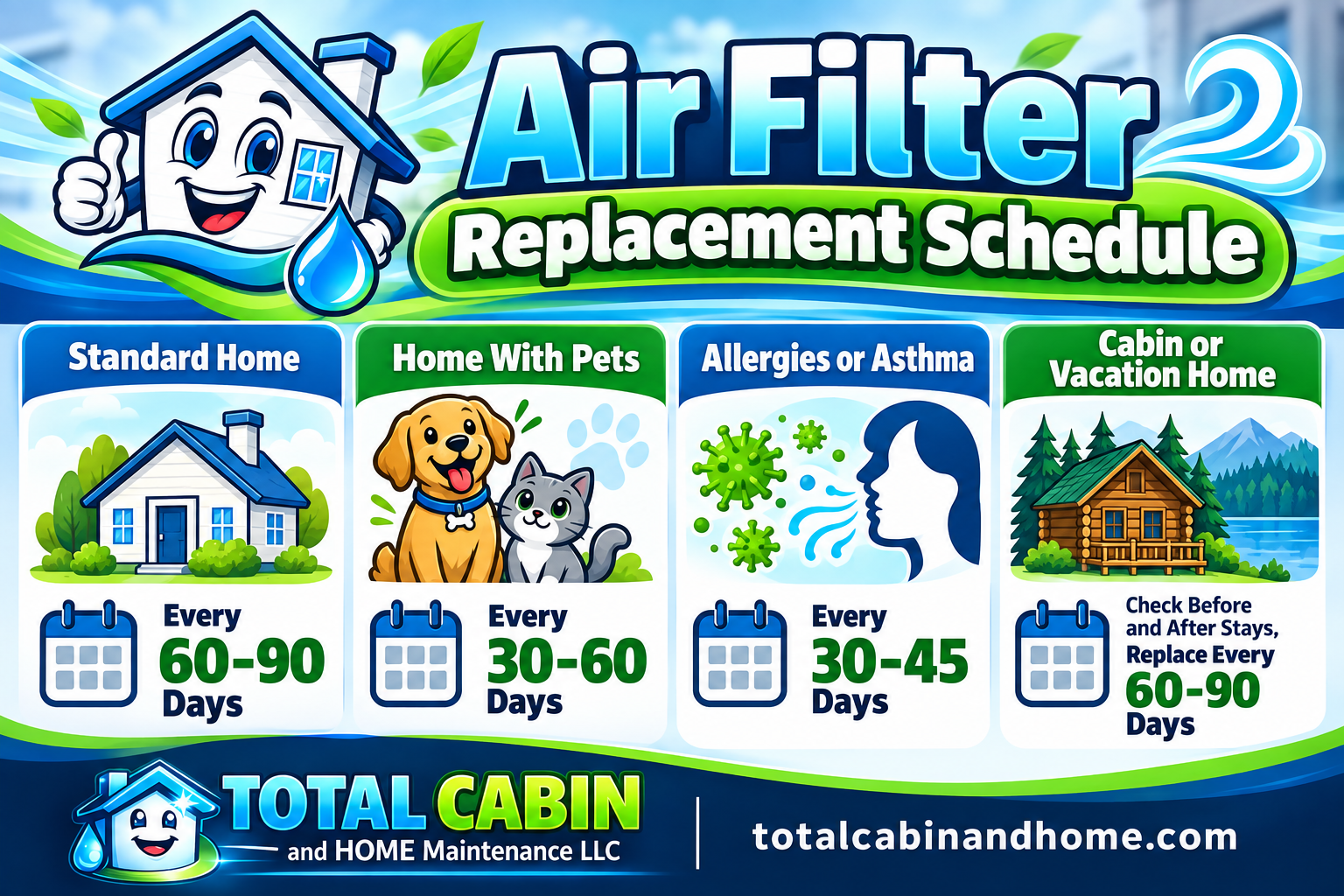
Quick Reference: Air Filter Replacement Schedule
- Standard household, no pets: Every 60–90 days. Key benefit: balances cost and air quality for typical conditions.
- Household with one or more pets: Every 30–45 days. Key benefit: pet dander and hair clog filters significantly faster.
- Allergy-sensitive household: Every 30–45 days with a higher MERV-rated filter. Key benefit: noticeably better indoor air quality.
- Cabin or vacation home, intermittent use: Every 60–90 days of actual system runtime, checked seasonally. Key benefit: avoids both over-servicing and letting a filter sit too long unnoticed.
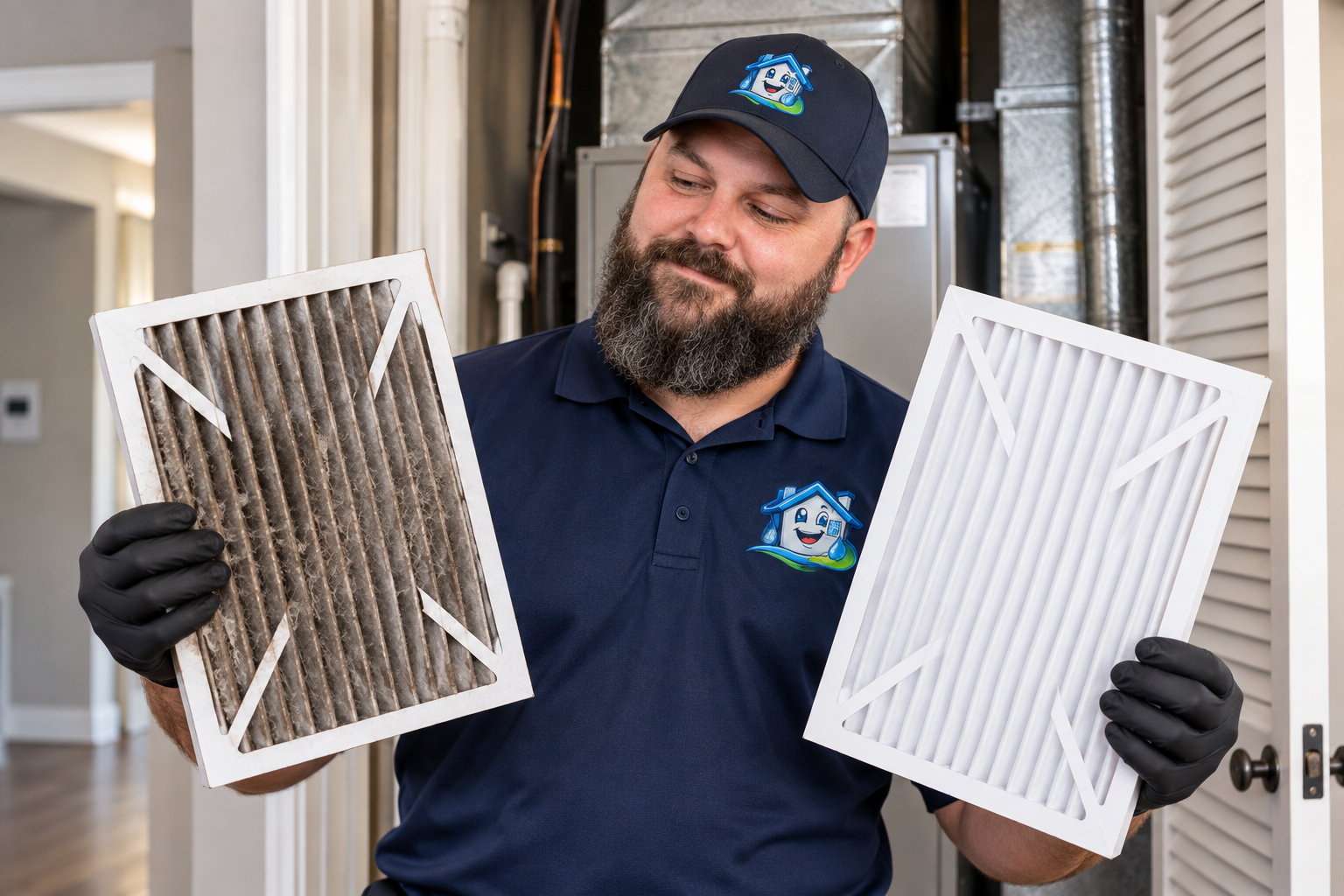
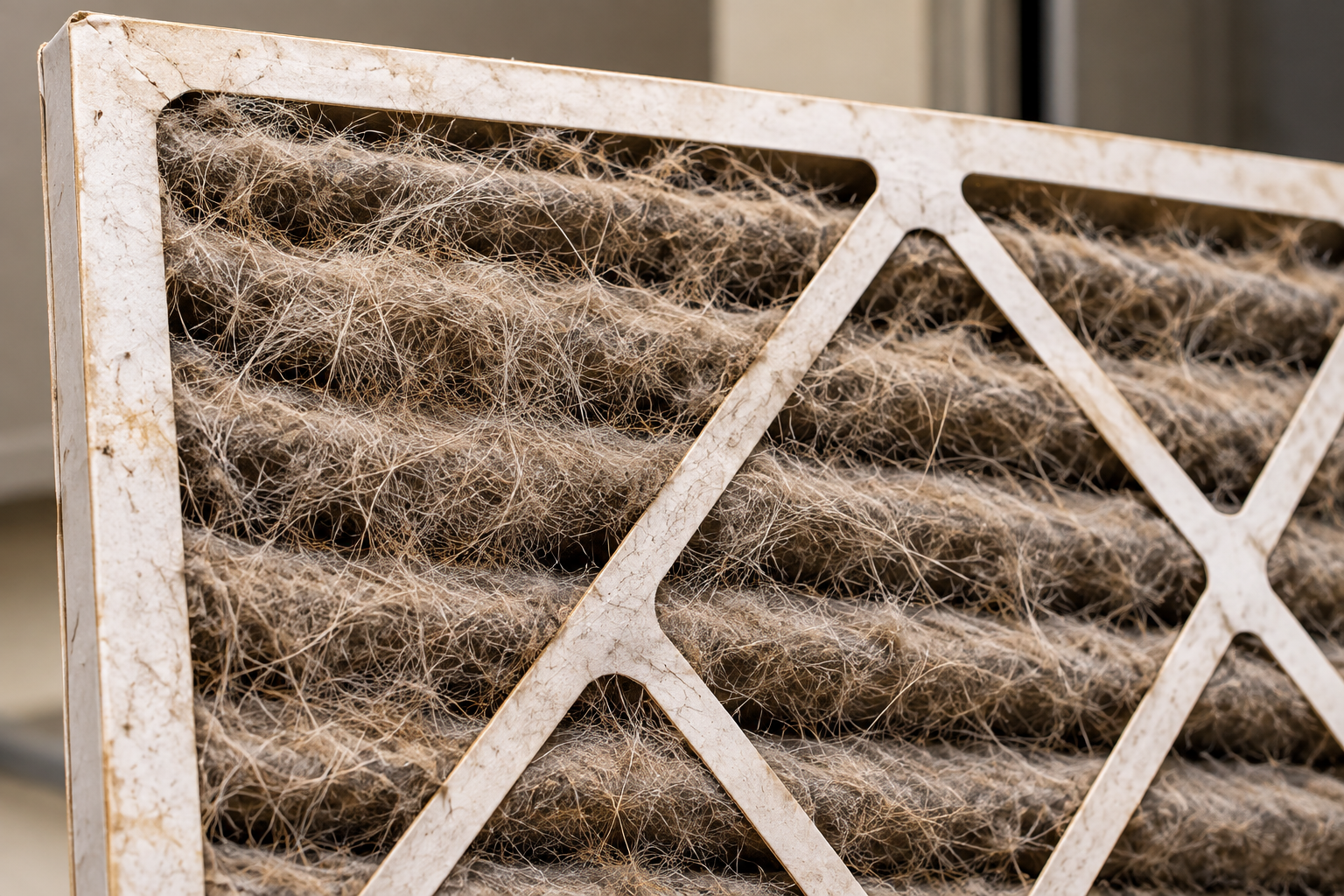
A filter left in too long doesn't just let more dust through, it actually makes your HVAC system work harder, since restricted airflow forces the blower motor to strain to push air through a clogged filter. A severely clogged air filter can reduce system efficiency by 15% or more, which shows up as higher energy bills and added wear on expensive components.
I'm Samson Ferrell, owner of Total Cabin and Home Maintenance, and HVAC upkeep across Sevierville and the surrounding Smoky Mountain region is one of the services we handle most often. In this guide, I'll walk you through exactly what you need to know about how often to replace air filter so you're not guessing based on a generic box label.
Why Air Filter Replacement Frequency Matters in the Smoky Mountains
Homes throughout Sevierville, Gatlinburg, and Pigeon Forge deal with a specific seasonal mix: heavy spring and fall pollen, wooded-area dust, and in cabin properties, long stretches of intermittent HVAC use between guest stays or owner visits. All of this affects how quickly a filter clogs, sometimes in ways that don't match the generic 90-day guideline printed on most filter packaging.
Cabins and vacation rentals add a particular wrinkle. A system that runs constantly in a full-time residence clogs its filter on a fairly predictable schedule, but a cabin that sits empty for weeks and then runs hard for a busy guest weekend can load up a filter unevenly, sometimes faster than expected once the system kicks into heavy use after sitting idle. Irregular HVAC usage patterns common in vacation properties make a fixed replacement calendar less reliable than simply checking the filter visually each season.
There's a real cost angle too. An HVAC system straining against a clogged filter doesn't just use more energy, it also accelerates wear on the blower motor and can shorten the system's overall lifespan. Replacing an HVAC blower motor typically costs several hundred dollars or more, a repair that regular filter changes help prevent.
Signs Your Air Filter Needs Replacing Now
- Visible gray or dark buildup: If you can't see light through it, it's overdue.
- Noticeably more dust around the home: A clogged filter lets more particles circulate.
- Reduced airflow from vents: A sign the system is straining to push air through.
- Higher than usual energy bills: Restricted airflow makes the system work harder.
How to Build the Right Air Filter Schedule for Your Home
Matching the Schedule to Your Household
A single person in a smaller home with no pets can often stretch toward the 90-day mark without issue. A household with dogs or cats, especially shedding breeds, usually needs a change closer to every 30–45 days, since pet dander and hair clog filters significantly faster than dust alone. Allergy-sensitive households benefit from both a shorter interval and a higher MERV-rated filter, which captures smaller particles but can also restrict airflow more if left in too long.
According to the U.S. Department of Energy, a clogged air filter is one of the most common and most preventable causes of reduced HVAC efficiency, and routine replacement is consistently listed as one of the simplest ways homeowners can improve system performance.
Choosing the Right Filter Type
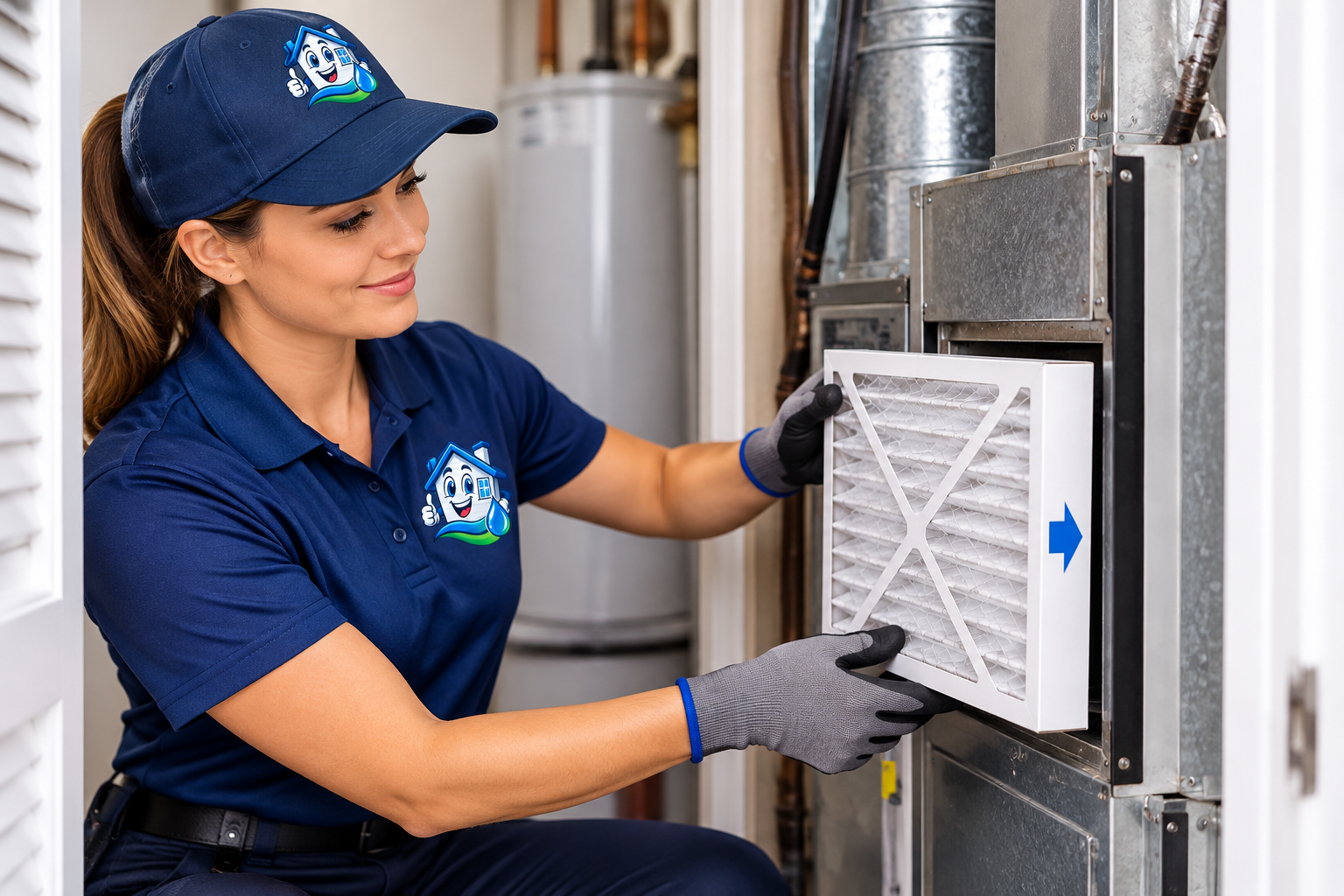
Not all filters are created equal, and a higher MERV rating isn't automatically better for every system. Filters that are too restrictive for a given HVAC unit can actually reduce airflow and strain the blower motor, even when brand new. Matching filter type to your system's specifications, and your household's actual needs, matters more than simply buying the highest-rated filter available.
Filter Type Considerations
- Standard fiberglass filters: Lowest cost, lowest filtration, needs more frequent changes.
- Pleated filters: Better filtration, moderate airflow resistance, a common middle-ground choice.
- High-MERV filters: Best filtration for allergies, but confirm your system can handle the airflow restriction.
- HVAC-system compatibility: Always check manufacturer specs before upgrading filter rating.
If you're not sure what's right for your system, our HVAC maintenance service includes a filter assessment as part of every visit, so you're not guessing at the right type or schedule on your own. For a deeper look at what builds up inside the system when filters are neglected, see our guide to HVAC duct cleaning near me.
Frequently Asked Questions about Air Filter Replacement
How often should I really replace my air filter?
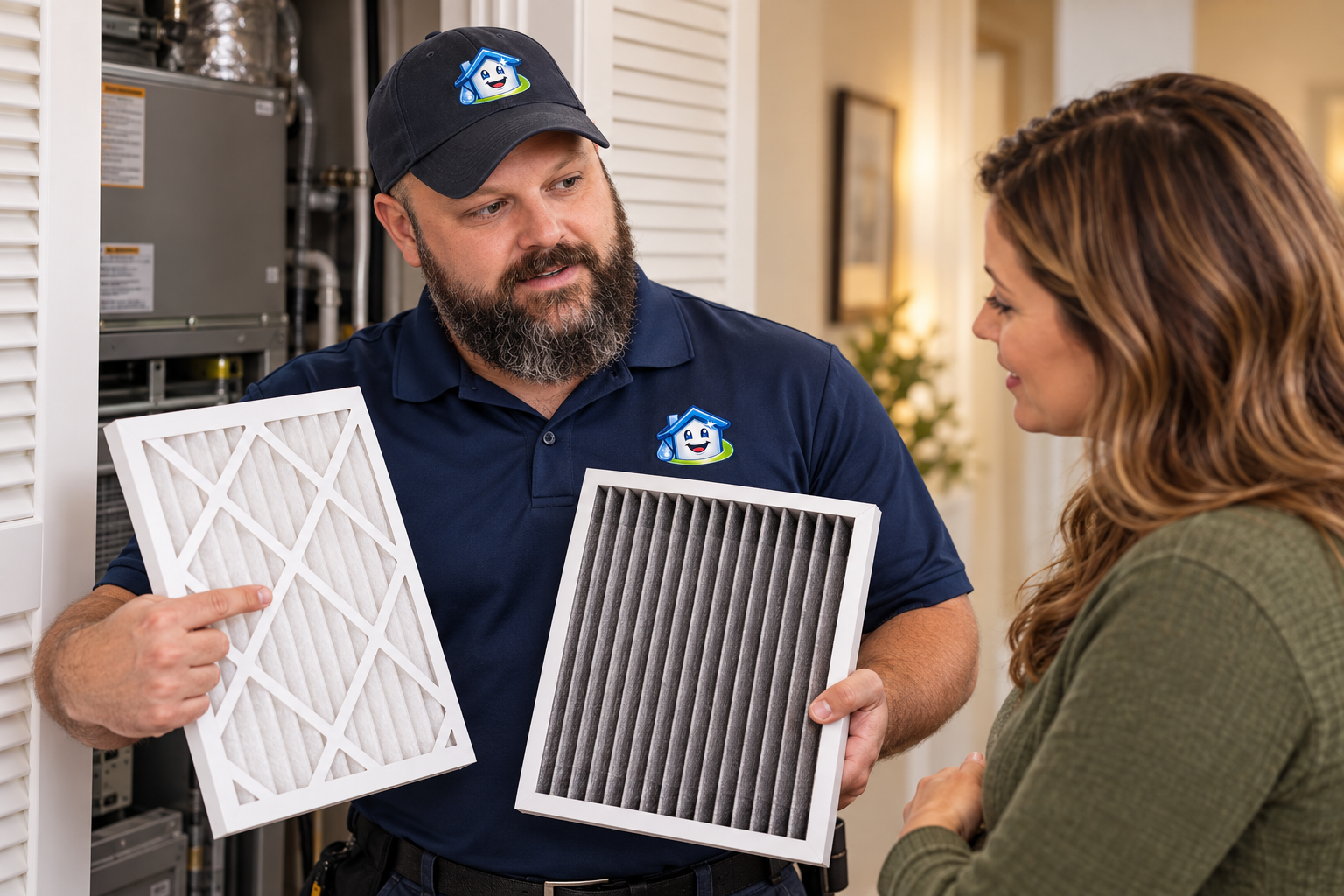
Most households should check every 60–90 days, but pet owners and allergy-sensitive households often need to replace closer to every 30–45 days. Cabins and vacation homes with intermittent use benefit from a seasonal visual check rather than a fixed calendar.
What happens if I don't replace my air filter often enough?
A clogged filter restricts airflow, which forces your HVAC system to work harder and can reduce efficiency by 15% or more. Over time, this added strain can shorten the lifespan of components like the blower motor, leading to more expensive repairs down the line.
Is a higher MERV rating always better?
Not necessarily. A higher MERV rating captures smaller particles but can also restrict airflow more than your system is designed to handle. It's worth checking your HVAC system's specifications, or having a professional confirm, before upgrading to a significantly higher-rated filter.
Conclusion
How often to replace air filter really depends on your specific household and home, not a one-size-fits-all number on a box. Between seasonal pollen, wooded-area dust, and intermittently used cabins throughout the Sevierville and Smoky Mountain region, a visual check alongside a general schedule is the most reliable approach.
At Total Cabin and Home Maintenance, filter checks are a standard part of every HVAC visit we run. Our quarterly maintenance plans keep this on a predictable schedule so you're never the one discovering a clogged filter the hard way.
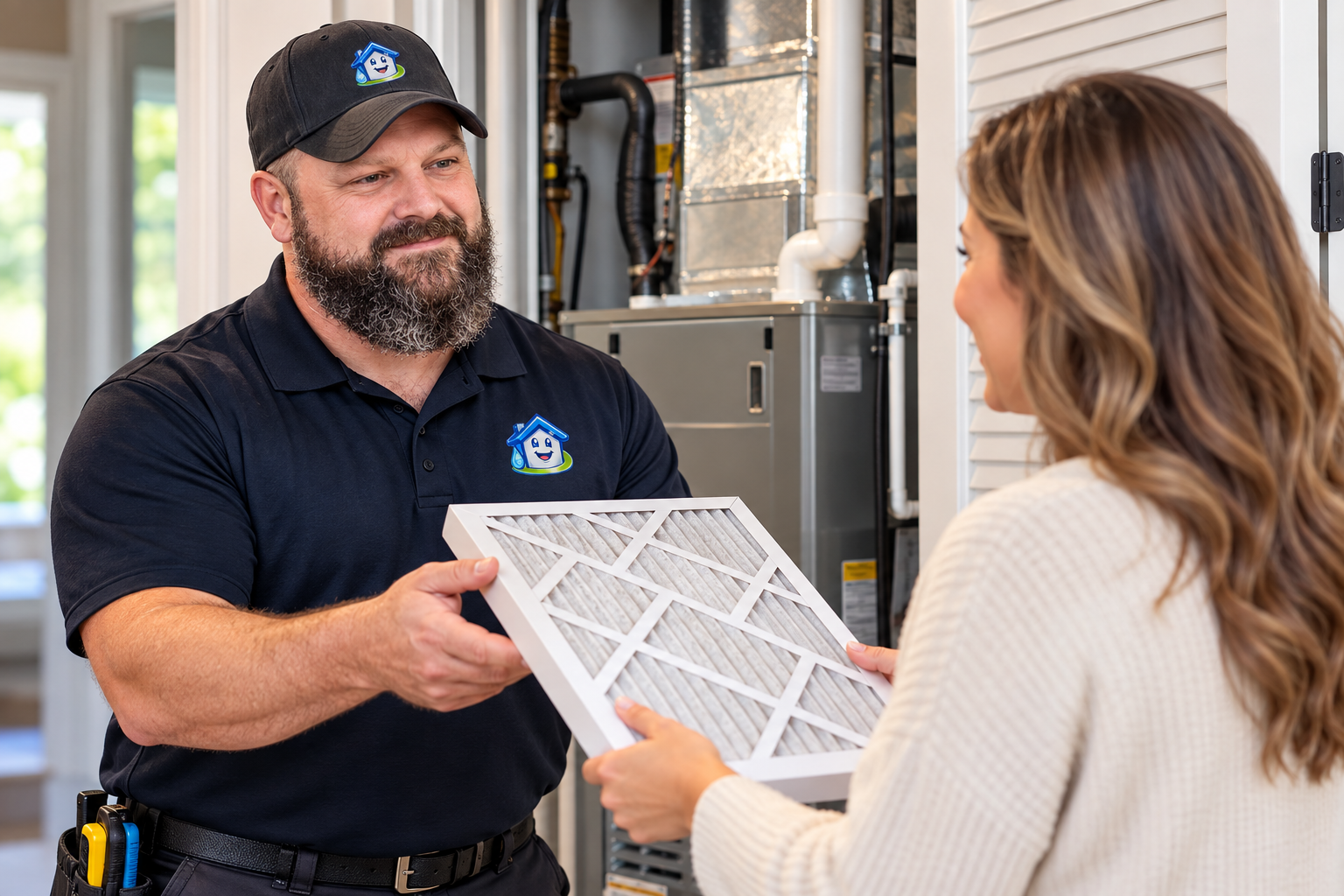
If you're not sure when your filter was last changed, request a quote and we'll check it along with the rest of your system.
Samson Ferrell | Total Cabin and Home Maintenance
Tags & Topics
Samson Ferrell
Owner, Total Cabin and Home Maintenance
Samson Ferrell is the owner of Total Cabin and Home Maintenance, a home and cabin exterior maintenance company based in Sevierville, Tennessee. He and his crews handle window cleaning, pressure washing, house washing, dryer vent and HVAC duct cleaning for homeowners, cabin owners, and rental property managers throughout Sevier County and the greater Smoky Mountain region. He writes about the practical side of keeping a mountain property in good shape — what actually needs doing, how often, and what it costs.